
How to Choose Landscaping Services for Your Home
Choosing the Right Landscaping Services for Your Home
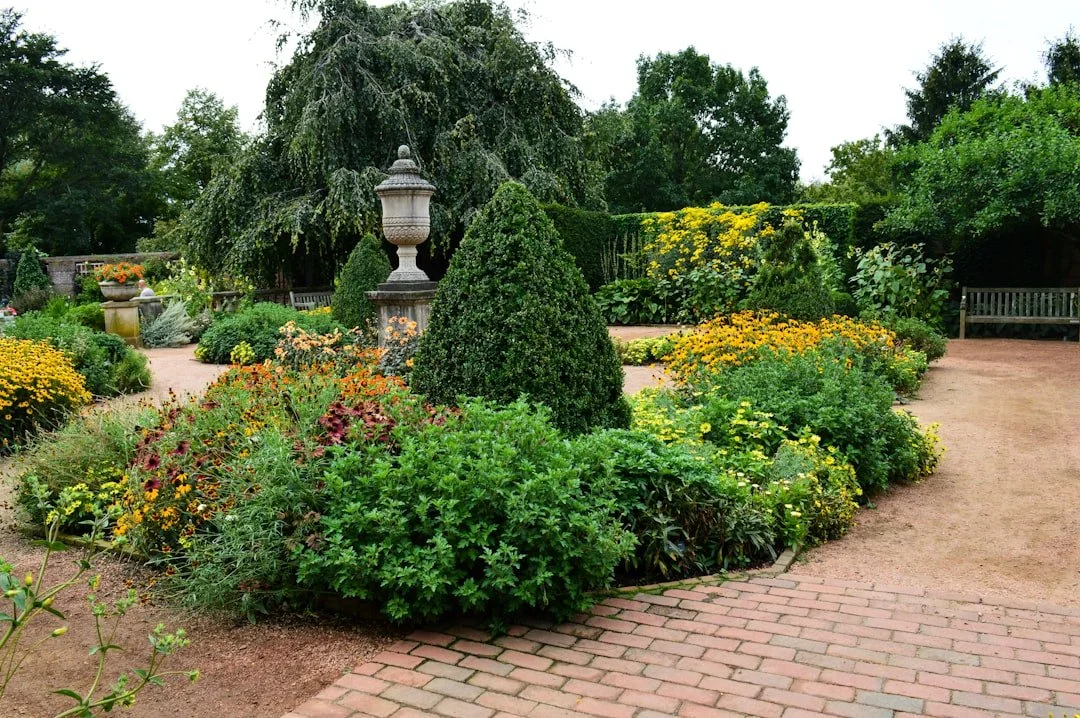
Choosing the right landscaping services for your home is essential to creating an outdoor space that is both. beautiful And. functional . With numerous companies offering a variety of services, the decision can quickly become overwhelming.
Whether you're looking to:.
Enhance curb appeal
Create a relaxing garden
Install sustainable features
Selecting the right professionals ensures your vision is realized efficiently and within budget.
Consider these key factors when evaluating landscaping providers:.
FactorWhat to Look ForExpertiseExperience in the specific landscaping services you needPortfolioExamples of past projects that match your styleCustomer ReviewsPositive feedback and testimonials from previous clientsPricingTransparent costs that fit within your budget
By making an informed choice, you can transform your yard into a. personalized retreat That adds. value And. enjoyment To your property.
Assessing Your Landscaping Needs
Assessing your landscaping needs is a foundational step in creating an outdoor environment that is both beautiful and tailored to your lifestyle. This process involves a thorough evaluation of your existing outdoor space and setting clear goals for your project.
Evaluating Your Outdoor Space
Measure the Size and Shape: Carefully measure your yard’s dimensions as these influence design possibilities and plant selections.
Consider Existing Features: Note trees, shrubs, pathways, and structures. Decide which to keep, modify, or remove.
Soil Quality: Conduct a soil test to determine pH levels, nutrient content, and drainage capabilities.
Sunlight Exposure: Map sun and shade patterns throughout the day and seasons to choose suitable plants.
Drainage Patterns: Observe water pooling or erosion issues after rainfall to plan grading or drainage solutions.
Setting Landscaping Goals
Ask yourself the following questions to define your landscaping objectives:.
Are you aiming for aesthetic appeal (e.g., vibrant gardens, colorful flowers)?
Do you want to enhance curb appeal to increase your home’s value?
Are you seeking functional spaces like shaded areas, privacy screens, or outdoor entertaining zones?
Many homeowners combine both aesthetic and functional goals, such as mixing flowering plants with trees for shade and privacy.
Considering Lifestyle and Maintenance
How much time and effort are you willing to invest in upkeep?
Would you prefer a low-maintenance landscape with drought-tolerant plants?
Are you interested in gardening as a hobby, embracing more complex designs?
Summary Table: Key Assessment Factors
FactorConsiderationsImpact on DesignSize and ShapeMeasurements of the yardDetermines layout and plant selectionExisting FeaturesTrees, shrubs, pathways, structuresDecide what to keep or changeSoil QualitypH, nutrients, drainageInfluences plant health and growthSunlight ExposureSun and shade mappingGuides plant placementDrainageWater pooling, erosionMay require grading or drainage fixesGoalsAesthetic vs. functional prioritiesDirects overall design focusMaintenanceTime and effort investmentDetermines plant choice and complexity
By thoroughly evaluating these factors and setting clear, realistic goals, you establish a strong foundation for a successful landscaping project. This intentional approach ensures your outdoor space is a true reflection of your needs and style, providing enjoyment for years to come.
Budgeting for Landscaping Services
Creating a well-thought-out budget is a fundamental step when planning landscaping services. Whether you’re looking to enhance a small garden or completely transform your outdoor space, having a clear understanding of the costs involved will help you avoid unexpected expenses and ensure your project stays on track. Landscaping budgets typically cover three main areas:. design ,. installation , and. ongoing maintenance . Each category requires careful consideration to allocate funds effectively and get the best value for your investment.
Typical Costs to Expect
Landscaping expenses can vary widely based on factors such as project size, complexity, location, and the types of materials and plants used. For smaller projects like planting flower beds or adding shrubs, you might spend between. $500 and $3,000 . Mid-range projects involving features like new sod, simple hardscaping, or irrigation systems can range from. $3,000 to $15,000 . Large-scale transformations including patios, retaining walls, water features, or extensive lighting systems may cost. $15,000 to $50,000 or more .
It’s important to remember that prices fluctuate based on regional labor costs and seasonal demand. Additionally, some landscaping contractors offer package deals that combine multiple services, which may provide cost savings. Always request detailed written estimates from several professionals to compare what’s included and ensure you’re getting a fair price.
Allocating Funds for Design, Installation, and Maintenance
Design: The design phase is a critical foundation for any landscaping project. Professional landscape architects or designers typically charge between. 10% and 20% Of the total project budget. This stage involves site analysis, conceptual drawings, plant and material selection, and sometimes 3D renderings. Investing in a quality design ensures that the project meets your aesthetic and functional goals while minimizing costly changes during installation.
Installation: Installation usually accounts for the largest portion of your budget—often. 50% to 70% . This includes labor costs for excavation, planting, construction of hardscaping elements, irrigation system setup, and the purchase of materials like soil amendments, mulch, stones, and plants. High-quality materials and skilled workmanship can increase costs but typically result in a more durable and attractive landscape.
Maintenance: While often overlooked in initial budgets, ongoing maintenance is essential to preserve the health and appearance of your landscape. Maintenance expenses can include lawn mowing, fertilizing, pruning, pest control, irrigation system upkeep, and seasonal cleanups. Depending on the size and complexity of your landscape, annual maintenance can range from a few hundred to several thousand dollars. Some homeowners opt for professional maintenance contracts, while others perform routine care themselves.
Additional Budgeting Tips
Contingency Fund: Set aside 10-15% of your budget as a contingency to cover unforeseen expenses or upgrades.
Phased Approach: Consider implementing your landscaping project in phases to spread out costs and make adjustments based on your experience.
DIY Elements: Incorporating do-it-yourself tasks, such as planting or mulching, can reduce labor costs if you have the time and skills.
Seasonal Timing: Scheduling work during the off-season can sometimes lower labor rates.
Budgeting effectively for landscaping services requires a comprehensive understanding of the costs involved in design, installation, and maintenance. By carefully planning and allocating funds, homeowners can create beautiful, functional outdoor spaces that enhance their property’s value and enjoyment for years to come.
Finding Reliable Landscaping Service Providers
When looking to enhance your outdoor living space, selecting a. reliable landscaping service provider Is essential to ensure high-quality results and a smooth project experience. A professional landscaper not only brings expertise but also understands how to tailor designs that fit your preferences, property, and budget.
Where to Look for Professional Landscapers
Begin your search by tapping into various resources to find reputable landscapers:.
Online platforms:
Google My Business
Yelp
Angi (formerly Angie’s List)
Houzz
These platforms offer comprehensive listings, customer reviews, ratings, and photos of completed projects, helping you assess the contractor’s style and workmanship.
Personal recommendations:
Ask friends, family members, neighbors, or colleagues who have recently had landscaping work done.
Their firsthand experiences can highlight both positive outcomes and potential red flags.
Local businesses:.
Garden centers
Nurseries
Home improvement stores
These places often have established relationships with landscaping professionals and can provide trustworthy referrals.
Community resources:
Bulletin boards
Local trade shows
Neighborhood social media groups (Nextdoor, Facebook community pages)
These resources help locate service providers who are active and trusted in your area.
Verifying Credentials, Licenses, and Insurance
After compiling a list of potential landscapers, verify their credentials carefully:.
Verification StepImportanceLicensesEnsures landscaper meets regulatory standards and is legally qualified.Liability InsuranceProtects you from property damage during the project.Workers’ Compensation InsuranceSafeguards both you and workers in case of injuries on site.Professional AffiliationsMemberships (e.g., National Association of Landscape Professionals) indicate commitment to quality and continuing education.
Ask for documentation: Request copies of licenses and insurance certificates.
Verify authenticity: Contact issuing authorities or insurance companies to confirm validity and coverage.
Request references: Speak to recent clients and, if possible, visit completed projects to assess workmanship and professionalism.
Summary
By thoroughly researching, verifying qualifications, and seeking personal recommendations, you can confidently select a landscaping service provider who is. skilled ,. trustworthy , and capable of turning your outdoor space into a beautiful and functional environment.
Reviewing Portfolios and Customer Feedback
When it comes to selecting the right professional or service provider, thoroughly reviewing their portfolios and customer feedback is an essential step that should never be overlooked. This process provides a comprehensive understanding of their capabilities, work ethic, and overall suitability for your project.
Analyzing Past Projects and Portfolios
A portfolio is much more than just a collection of completed projects; it’s a window into a professional's skill set, creativity, and experience. By analyzing past projects, you can assess not only the quality of work but also the diversity and complexity of assignments they have handled. Look for projects similar in scope or industry to yours, as this often indicates relevant expertise. Pay attention to details such as design consistency, problem-solving approaches, and innovation showcased in their work.
Portfolios also help reveal a professional’s style and whether it aligns with your vision. For instance, in creative fields like graphic design, web development, or marketing, the aesthetics and tone of the work are critical factors. In technical fields, the portfolio can highlight the use of certain tools, technologies, or methodologies, giving you insight into their approach and adaptability.
Moreover, an updated portfolio reflects a commitment to ongoing growth and relevance in their field. Professionals who regularly update their work demonstrate that they stay current with industry trends and continue to refine their skills.
Checking Customer Reviews and Testimonials
While portfolios show what a professional can do, customer reviews and testimonials provide a glimpse into how they operate and interact with clients. These firsthand accounts are invaluable for understanding the service provider’s reliability, communication skills, and ability to meet deadlines.
Positive reviews highlight strengths such as:.
Professionalism
Responsiveness
Successful delivery of projects
They can also reveal how the provider handles challenges or unexpected changes, which is crucial for a smooth collaboration. On the other hand, critical feedback can alert you to potential issues like poor communication, missed deadlines, or subpar quality.
When examining testimonials, consider the source and context:.
FactorWhy It MattersSource of ReviewIndependent platforms are generally more reliableContext of FeedbackPatterns in reviews indicate consistent behavior
Combining insights from portfolios and customer feedback gives you a well-rounded perspective. This dual approach minimizes risks, helping you select a professional or company that not only delivers high-quality results but also maintains a positive working relationship throughout the project.
In summary: Dedicating time to carefully review portfolios and customer feedback empowers you to make informed decisions, ensuring your project’s success and your satisfaction with the final outcome.
Interviewing and Selecting Landscaping Services
Choosing the right landscaping service is a crucial step in ensuring your outdoor project not only meets but exceeds your expectations. Below are key areas to focus on when interviewing and selecting a landscaping company.
Experience and Expertise
Company History: Ask how long the company has been operating.
Project Variety: Inquire about the types of projects handled (residential, commercial, or both).
Specialties: Determine if they specialize in hardscaping, garden design, irrigation systems, or sustainable landscaping.
References & Portfolio: Request references or examples of completed projects to assess craftsmanship and design style.
Project Timelines
Schedule: Request a clear timeline including start dates, milestones, and estimated completion.
Challenges: Ask about potential delays such as weather and how they plan to manage them.
Maintenance Plans
Package Options: Understand the types of maintenance services offered (seasonal cleanups, fertilization, pruning, pest management).
Plant Health: Ask about their approach to plant health, irrigation upkeep, and lawn care.
Customized Plans: Explore if they provide personalized maintenance tailored to your specific plants and features.
Post-Project Communication: Find out if they offer regular updates, emergency support, or scheduled visits after project completion.
Pricing Transparency
Detailed Quote: Ensure the quote clearly outlines costs for labor, materials, and any additional services.
Avoid Surprises: Transparent pricing helps prevent unexpected expenses and builds trust.
By thoroughly interviewing and selecting a landscaping service with attention to their. experience ,. project management ,. maintenance offerings , and. pricing transparency , you’ll be well-positioned to enjoy a beautiful, thriving outdoor space for years to come.
Comparing Quotes and Service Details
When you're in the process of selecting a service provider,. comparing quotes Is more than just looking at the bottom line. It’s essential to dig deeper and understand exactly what each quote includes. Many quotes differ not only in price but also in the. scope And. quality Of services offered. For instance, some providers may offer a basic package covering only essential tasks, while others might include extras such as:.
Extended warranties
Follow-up support
Premium materials
Faster turnaround times
These additional features can significantly impact the overall value you receive.
How to Effectively Compare Quotes
To make an effective comparison, start by breaking down each quote into its components. Look for details like:.
ComponentWhat to Check ForLabor CostsHourly rates, estimated hoursMaterialsQuality, brand, warrantiesService DurationTime to complete, availabilityHidden Fees/Add-onsExtra charges, optional services
Sometimes, a cheaper quote might initially seem appealing but could lack important elements, leading to unexpected expenses later on. Conversely, a higher-priced quote might offer comprehensive service and peace of mind through guarantees and excellent customer support.
Balancing Price, Quality, and Service
Price: Don’t let the lowest cost be the only deciding factor.
Quality: Consider materials used, provider expertise, and durability of the work.
Service Quality: Includes communication, professionalism, and responsiveness.
A high-quality service might save you money in the long run by reducing the need for repairs or replacements. Likewise, a provider who is easy to reach, transparent about processes, and willing to answer your questions can greatly improve your overall satisfaction.
Final Decision Tips
Check reviews and testimonials to gain insights into service quality.
Align your choice with your priorities:
If budget is tight, choose affordability but be cautious about inclusions.
If long-term durability and hassle-free service matter more, consider investing in higher quality.
By thoroughly analyzing what each quote includes and considering the balance between. cost ,. quality , and. service , you can confidently choose a provider that aligns with your needs and expectations.
Finalizing the Agreement and Preparing for Installation
Reviewing Contract Terms Thoroughly
Finalizing the agreement is a critical milestone in any installation project, and it begins with a thorough review of the contract terms. This step ensures that all parties have a clear, aligned understanding of their obligations and expectations before any physical work commences. The contract should explicitly define the scope of work, setting clear boundaries on what is included and excluded to avoid scope creep later on. Timelines must be realistic and detailed, outlining key milestones and deadlines to keep the project on track.
Key elements to review in the contract:.
Scope of work (inclusions and exclusions)
Detailed timelines and milestones
Payment schedules (amounts, due dates, holdbacks or retainers)
Responsibilities and roles of all parties
Warranties and guarantees (coverage, duration, conditions)
Contingency plans (scope changes, dispute resolution, cancellations, delays)
Engaging legal counsel or a contract specialist during this review can be invaluable, As they can spot ambiguous language, risky clauses, or potential loopholes that might cause issues later. This proactive approach not only protects the interests of all parties but also establishes a foundation of trust and professionalism.
Coordinating Design and Installation Plans
Once the agreement is finalized, the focus shifts to coordinating the design and installation plans. This phase is all about turning the contractual promises into actionable steps, requiring seamless collaboration among designers, engineers, project managers, and installation teams.
Essential Steps in Coordination:
Accurate site assessments : Confirm measurements, identify environmental factors, and uncover site-specific challenges.
Material procurement and logistics : Verify material availability, schedule deliveries, and plan for on-site storage.
Detailed scheduling : Cover installation, preparatory work, inspections, and approvals.
Contingency planning : Address potential obstacles like weather disruptions, supply chain delays, or unexpected site conditions.
Use of project management tools : Facilitate communication, track changes, and document approvals.
Compliance : Adhere to local building codes, permits, and safety regulations.
Clear communication channels : Define decision-making responsibilities, information sharing methods, and issue escalation processes.
AspectDescriptionSite AssessmentsConfirm site details and identify challengesMaterial ProcurementSchedule and track delivery of required materialsSchedulingPlan all stages including prep and inspectionsContingency PlanningPrepare for disruptions and unexpected issuesProject Management ToolsMaintain transparent communication and accountabilityComplianceEnsure adherence to codes, permits, and safety standardsCommunication ChannelsEstablish clear roles and documentation for decision-making and issue resolution
Proper documentation of all communications, changes, and approvals creates a reliable record that supports smooth project execution and aids in resolving disputes if they arise.
Summary
Finalizing the agreement with a comprehensive contract review and meticulously coordinating design and installation plans are foundational steps that set the stage for a successful installation project. This thorough preparation:.
Reduces risks
Enhances efficiency
Fosters collaboration
Leads to timely and high-quality project completion
Conclusion
Choosing the right landscaping services for your home is essential to create an outdoor space that reflects your style, meets your needs, and enhances your property’s value. By. researching local providers ,. checking credentials and reviews ,. considering your budget , and. clearly communicating your vision , you can find a landscaping professional who transforms your yard into a beautiful and functional retreat. Taking the time to select the best service ensures a smooth process and a stunning result you’ll enjoy for years to come.